Sharenting: Are parents unknowingly putting their children in danger?
26 November 2026
MISA, the Motor Industry Staff Association, appeals to parents to reconsider what they share about their children on social media as South Africa marks the annual 16 Days of Activism for No Violence Against Women and Children.
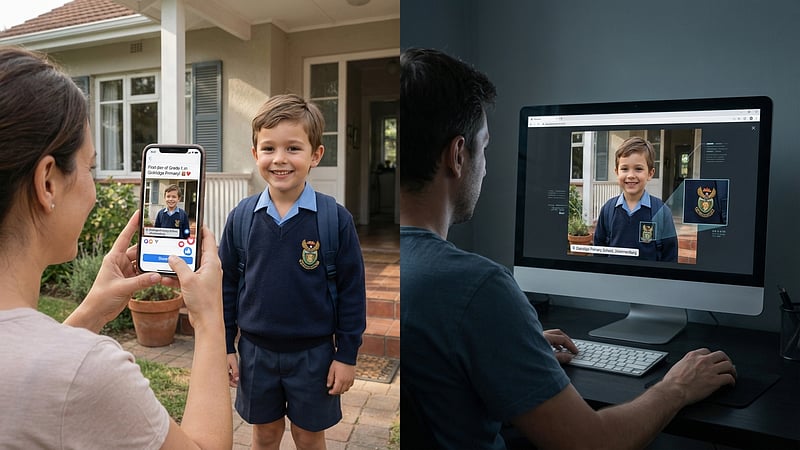
What might seem like an innocent expression of parental pride could unknowingly compromise a child's safety, privacy and dignity.
Bhavna Lutchman, Online Counselling Project Manager at Childline South Africa, cautioned South African parents against “sharenting”, the practice of regularly sharing photographs and personal information about their children on social media.
Lutchman addressed the dangers associated with this increasingly popular practice during Legal Aid South Africa’s webinar, Letsema: Know Your Rights on GBVF.
She warned that parents who fail to manage their privacy settings could unknowingly expose their children to sexual predators and potential kidnappers.
“Geotagging photographs, posting pictures of children in school uniforms or sharing details about their sporting activities can reveal their whereabouts and daily routines. Parents should also exercise caution when posting photographs of children in swimming costumes,” says Lutchman.
According to a survey completed by Security.org, a research website that evaluates home security systems, 75% of parents shared a picture, story or video of their child online and more than 80% of parents use their kids’ real names on social media posts. Cybercriminals can parse shared photo and the accompanying captions to figure out a child’s name, birthday and location. By combining this with other information, perhaps gained through phishing or on the Dark Web through data breaches, these malicious actors can steal the child’s identity.
Martlé Keyter, MISA’s Chief Executive Officer: Operations, says parents need to recognise that their own social media behaviour could compromise the safety of their children.
“An innocent photograph posted by a proud parent celebrating a child's first day at school or sporting achievement could reveal sensitive information to someone with sinister intentions. Think carefully about what you share, who can access it and whether you are compromising your child's privacy and safety.
“Our children have a right to privacy and dignity. Yet many parents are creating a permanent digital footprint on behalf of their children long before they are old enough to understand the implications or give their consent,” says Keyter.
Lutchman reminded parents that the internet never forgets. Their online reputation is shaped not only by what they post themselves but also by what others post about them. Content can be copied, circulated and retained long after the original post has been deleted.
Keyter says parents have a responsibility to lead by example.
“We cannot expect our children to practise responsible digital habits if we spend every available moment on our own cellphones, overshare personal information or engage in abusive behaviour on social media.
“During these 16 Days of Activism, MISA appeals to parents to reflect on their own online behaviour. The desire for likes, comments and recognition on social media should never outweigh a child's fundamental right to safety, privacy and dignity.
“Not every precious family moment needs to be shared with the world. Protecting our children must take precedence over our desire to share their lives on social media,” says Keyter.
Childline South Africa provides counselling and support through its 24-hour toll-free helpline on 116.
Think before you post. Your child's safety is more important than a social media reaction.
Issued by Sonja Carstens, Manager of MISA’s Media & Communication Department, on behalf of the Union. For media enquiries contact Phakamile Hlubi-Majola, Spokesperson of MISA, on 083 367 6417 or [email protected]
#MISACARES #16DaysOfActivism #EndGBVF #ProtectOurChildren #Sharenting